

عَنْ أَبِي هُرَيْرَةَ، عَنْ رَسُولِ اللهِ صَلَّى اللهُ عَلَيْهِ وَسَلَّمَ قَالَ: «مَنْ كانَ يُؤْمِنُ بِاللهِ وَالْيَوْمِ الْآخِرِ فَلْيَقُلْ خَيْرًا أَوْ لِيصْمُتْ، وَمَنْ كَانَ يُؤْمِنُ بِاللهِ وَالْيَوْمِ الْآخِرِ فَلْيُكْرِمْ جَارَهُ، وَمَنْ كَانَ يُؤْمِنُ بِاللهِ وَالْيَوْمِ الْآخِرِ فَلْيُكْرِمْ ضَيْفَهُ» On the authority of Sayidunā Abū Hurayrah ʳᵃ, from the Messenger of Allāh ﷺ, who said: Whoever believes […]
Read More
This judgment examines whether Sections 294-A and 294-B of Pakistan’s Penal Code conform to Sharīʿah, particularly regarding state-sanctioned lotteries. After defining qimār and distinguishing lawful prize schemes from gambling, the Court concludes that government lotteries are impermissible, and certain promotional schemes should only be prohibited when they involve inflated prices constituting qimār.
Read More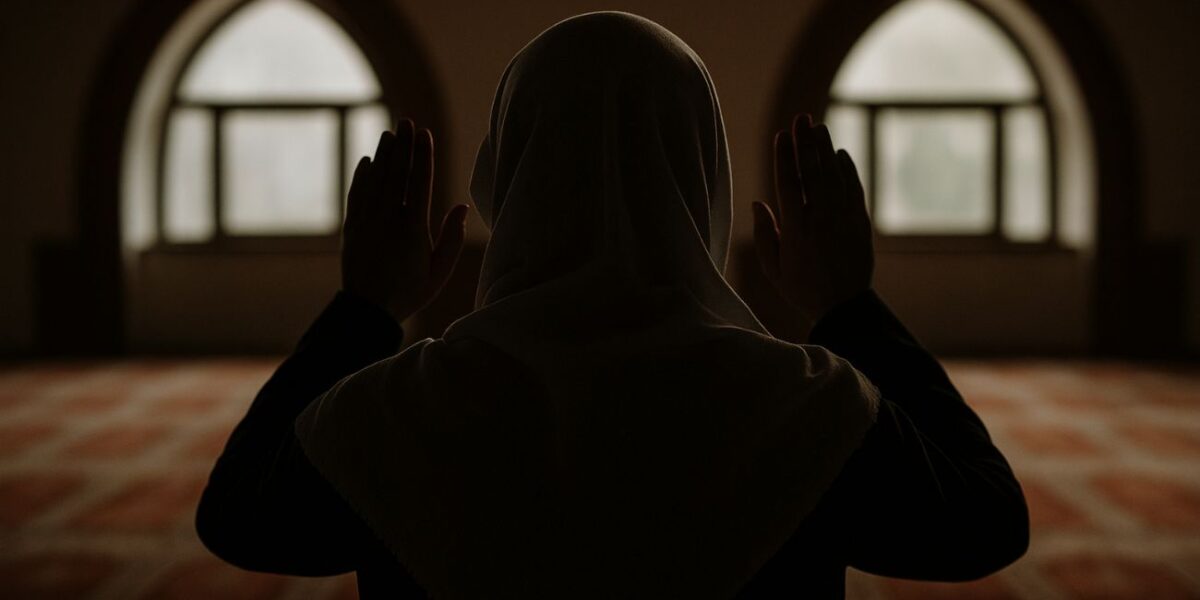
This commentary explores the scholarly discussion on Rafʿ al-Yadayn—raising the hands during prayer. Drawing from Maẓāhir al-Ḥaqq Sharḥ Mishkāt al-Maṣābīḥ, it presents the differing views of the Ḥanafī and Shāfiʿī schools, the evidences of the Ṣaḥābah, and Imām Abū Ḥanīfah’s ʳʰ juristic reasoning behind limiting the gesture to the opening takbīr taḥrīmah.
Read More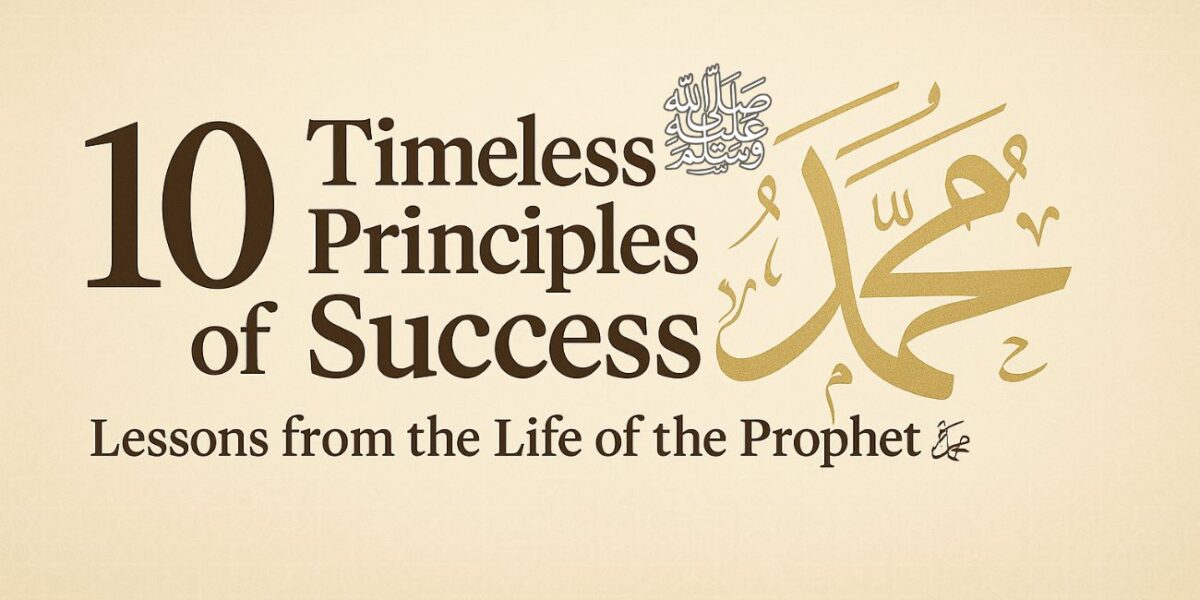
The Prophet Muḥammad ﷺ was the most successful man in human history — not through wealth or power, but through wisdom, mercy, and purpose. His life offers ten timeless principles for success that uplift both our world and our soul. These principles, lived by him, remain the blueprint for true excellence.
Read More