
The field of jarḥ wa-taʿdīl — the evaluation of narrators of ḥadīth — represents one of the most sensitive and delicate sciences in the history of Islam. The preservation of the Sunnah demanded that Muslims know who could be trusted to transmit the words of Rasūlullāh ﷺ and who could not. At the same time, Islam has placed immense weight upon the prohibition of gheebah (backbiting), which is among the most destructive sins of the tongue.
Read More
Al-ḥamdu lillāhi wa kafā, wa salāmun ʿalā ʿibādihi alladhīna iṣṭafā… ammā baʿd. Justice and fairness (ʿadl wa insāf) are such virtues upon which the entire system of the universe and its order depend. Allāh Almighty Himself has mentioned this attribute for His own dhāt (essence) in the Noble Qurʾān, meaning that the machinery of creation […]
Read More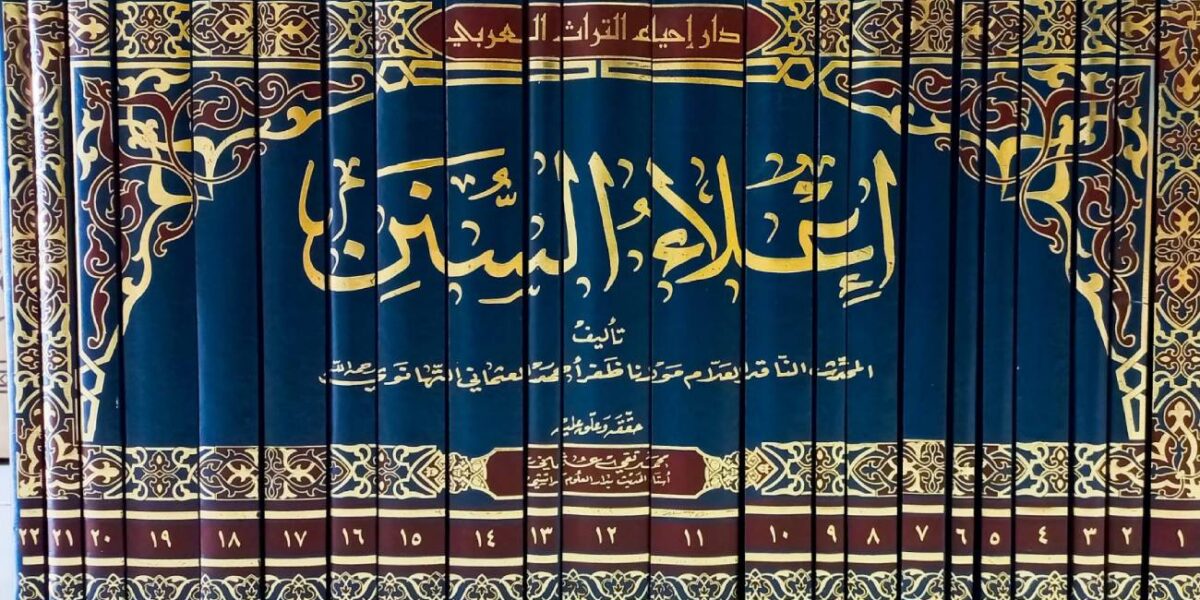
Excerpt translated from i’laa’ us Sunan by Allama Zafar Ahmed UthmaniVolume 7 , Pg. 10-13 There are two main points of discussion: Here, we will discuss the first one. Key Argument: Some scholars, including Ibn al-Qayyim and certain Shafi’i scholars, deny the pre-Friday Sunnah, arguing that Friday is like Eid without a preceding Sunnah. The […]
Read More