
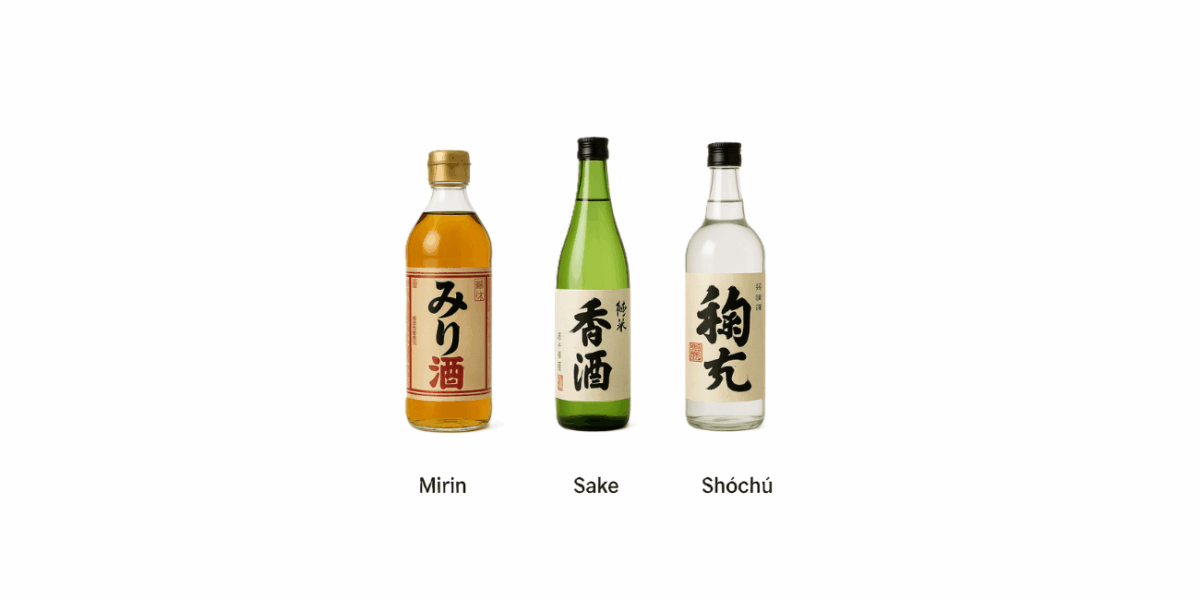
When evaluating Japanese alcoholic products under Islamic law, it is necessary to distinguish between their chemical nature, their origins, and how they are classified in the Hanafi school of jurisprudence. The three traditional Japanese alcohols most commonly encountered are mirin, sake, and shōchū.
Read More
Non Khamr Alcohol (whether from distillation or fermentation) does not follow the same ruling according to hanafiya. This means that in smaller quantities like solvents and emulsifiers etc, they will not render the other items najis, and will not affect the hillah of the item.
Read More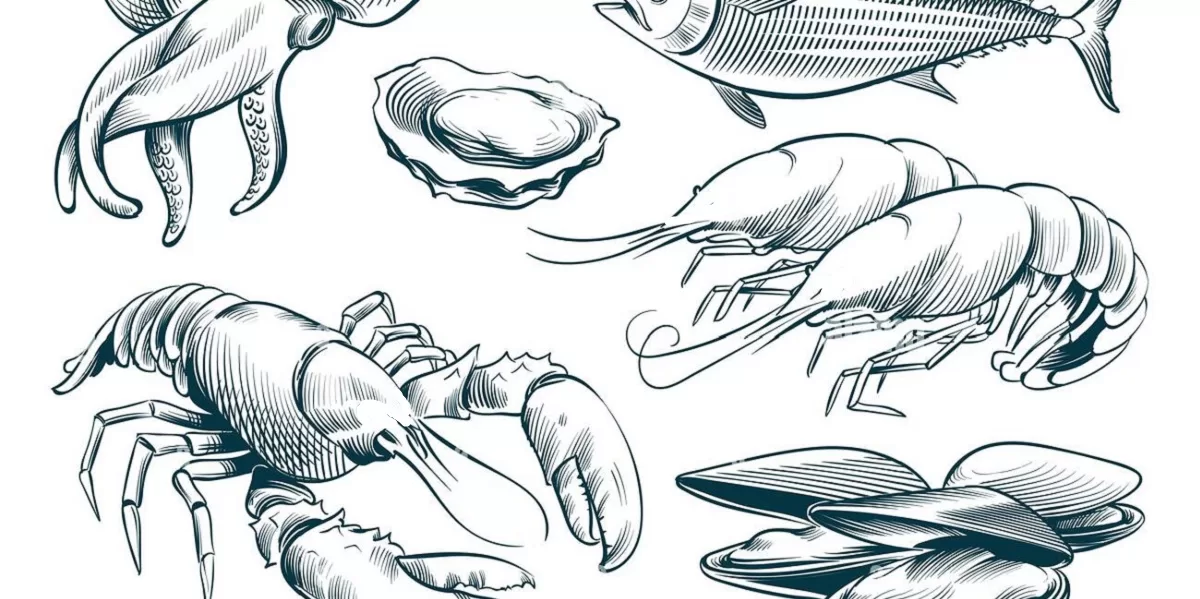
General Ruling: All “fish” from the sea is permissible. There is no restriction in any type of fish. However, those creatures of the sea which do not fulfil the technical definition of fish, are not considered permissible. This is based on the hadeeth that mentions that Nabi ﷺ said, “Two carrions and two bloods are […]
Read More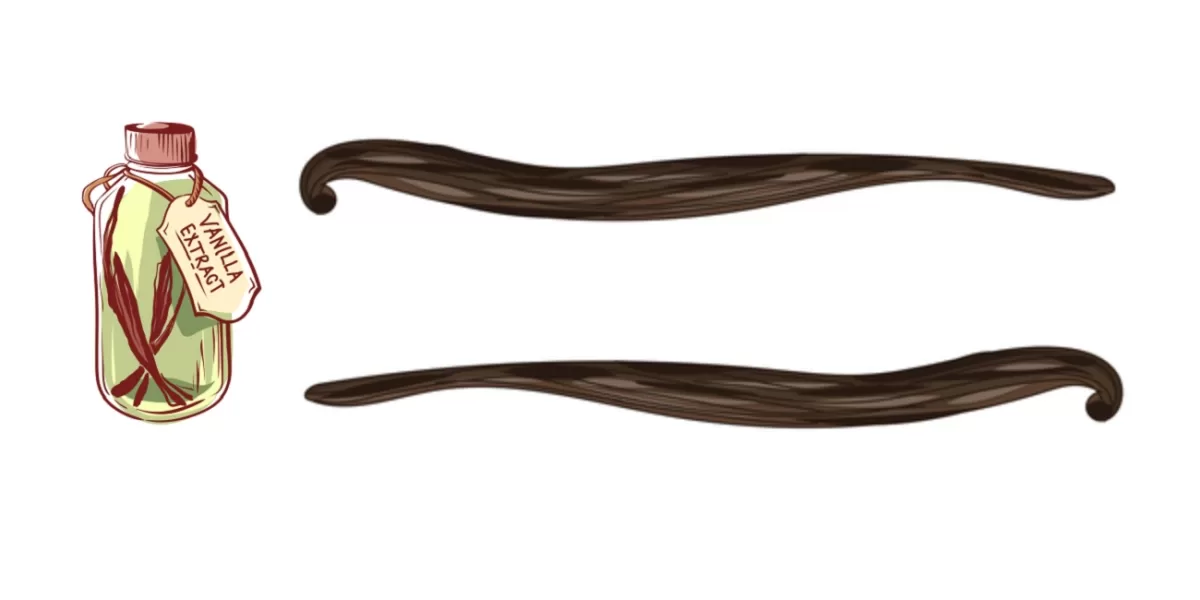
In Vanilla Extract, we will apply the above distinction and review whether any khamr alcohol is used during the macerating process for vanilla extract. The type of alcohol source changes the flavor profile of the final extract. While the industrial standard mentioned above is ethyl alcohol, this may not be the case for homemade or custom-curated vanilla extracts sold as novelties. Hence, it is important to review the source of alcohol on the labeling as much as possible.
Read MoreNon Khamr Alcohol (whether from distillation or fermentation) does not follow the same ruling according to hanafiya. This means that in smaller quantities like solvents and emulsifiers etc, they will not render the other items najis, and will not affect the hillah of the item.
Read More