

In Islamic law, hunting is permissible when conducted with due Sharīʿah conditions. The tasmiyah must be recited before releasing the trained animal or firing the weapon. If the prey dies from that act, it is ḥalāl; if found alive with stable life, it must be slaughtered immediately to be lawful.
Read More
This analysis explores the Sharīʿah perspective on food products containing trace amounts of impermissible substances. It examines causes of prohibition—harm, impurity, intoxication, filth, and human sanctity—and outlines when minute proportions, transformation (istiḥālah), or necessity may allow permissibility without compromising Sharīʿah principles of purity, respect, and moderation.
Read More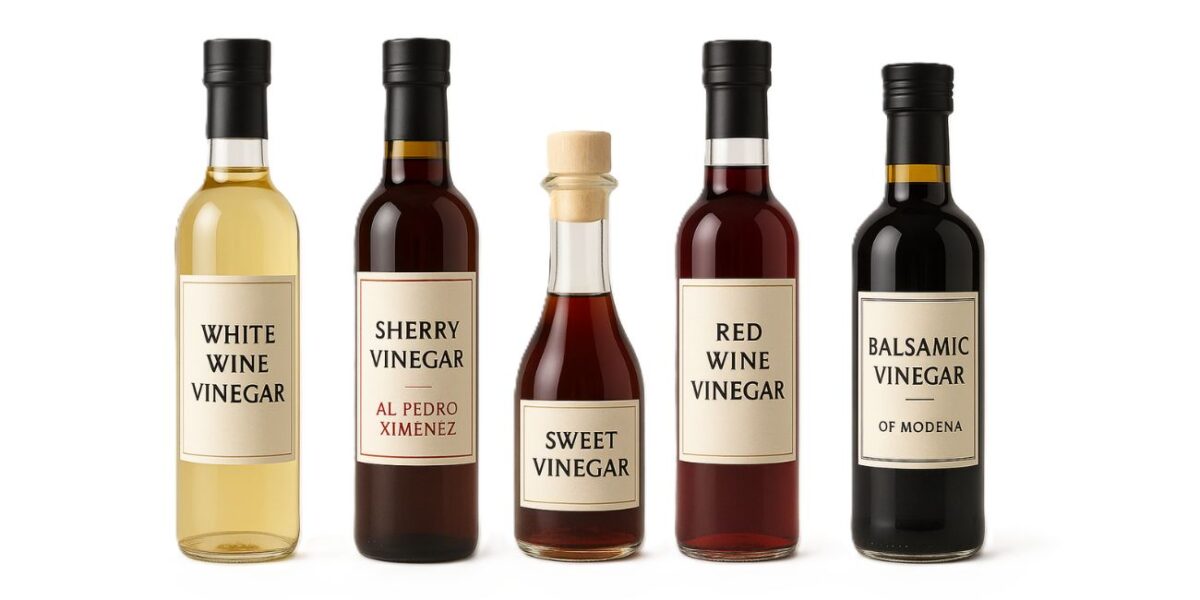
“All ordinary commercial wine vinegars—white or red—are ḥalāl by istiḥālah, while gourmet or sweetened variants that include added wine or grape must are to be avoided.”
Read More
The matter of eating from restaurants or shops that advertise ḥalāl cannot be addressed by simply saying, “They claim it, so we are free.” In Sharīʿah, permissibility rests upon ghalabat al-ẓann (a strong preponderant confidence) that the food meets the standards of ḥalāl slaughter and preparation. In our current circumstances, this confidence is not achieved […]
Read More