
The field of jarḥ wa-taʿdīl — the evaluation of narrators of ḥadīth — represents one of the most sensitive and delicate sciences in the history of Islam. The preservation of the Sunnah demanded that Muslims know who could be trusted to transmit the words of Rasūlullāh ﷺ and who could not. At the same time, Islam has placed immense weight upon the prohibition of gheebah (backbiting), which is among the most destructive sins of the tongue.
Read More
The concept of fatwa occupies a central place in Islamic life, guiding Muslims in matters of worship, transactions, and daily conduct. Yet the role of issuing a fatwa is not open to every student of knowledge or well-spoken preacher; it is a responsibility entrusted only to those who have mastered the sciences of Sharīʿah, undergone rigorous training under senior scholars, and demonstrated both intellectual aptitude and moral integrity. The following write-up lays out who truly qualifies as a Mufti, the conditions for issuing fatwa, the grave warnings against speaking without knowledge, and the parallels that show why this discipline must be guarded with utmost care.
Read More
Allāh Almighty has commanded in the Qur’ān to safeguard amānah (trust) and has forbidden betrayal (khiyānah), describing it as a condemnable act. Those who betray trusts are not beloved to Allāh. In fact, in the ḥadīth, betrayal of trust is mentioned as a sign of hypocrisy, implying that treachery is not the trait of a […]
Read More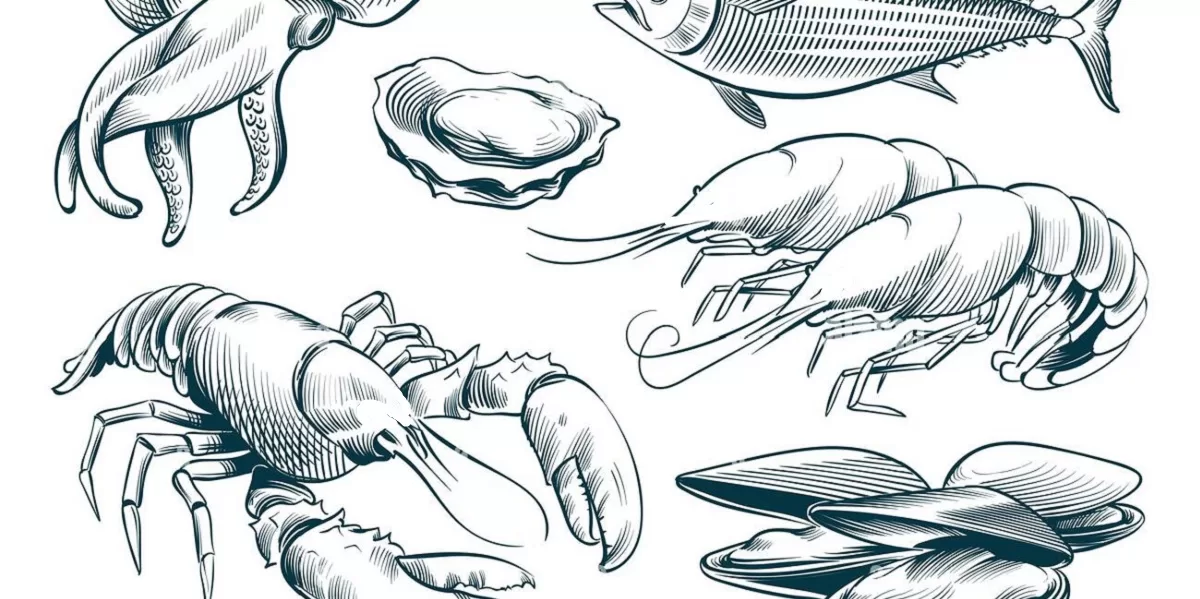
General Ruling: All “fish” from the sea is permissible. There is no restriction in any type of fish. However, those creatures of the sea which do not fulfil the technical definition of fish, are not considered permissible. This is based on the hadeeth that mentions that Nabi ﷺ said, “Two carrions and two bloods are […]
Read More
The best edition of Quduri would definitely Shaykh Sa’id Bakdash’s edition. He collected the oldest manuscripts of the book from all parts of the world, selected the best copies from these, then edited the book using the commentaries of Quduri for backup.
Read More
Necessary Beginners Knowledge “…without which living a life like a true Muslim is not possible.” … “…by which such vastness and firmness is produced in religious aspects that a person will not be misguided by those who misguide.”
Read More
At times a person is unable to use water on account of it being not present at the place, or because of the person suffering from some disease. For that situation, the provision of Tayammum has been made in the Shariʿah.
Read More
This book “al-Fiqh al-Muyassar  fills a void in the religious academic library of the young and fulfills the need of our religious seminaries which was being felt by the people running these seminaries
Read More