

This judgment examines whether Sections 294-A and 294-B of Pakistan’s Penal Code conform to Sharīʿah, particularly regarding state-sanctioned lotteries. After defining qimār and distinguishing lawful prize schemes from gambling, the Court concludes that government lotteries are impermissible, and certain promotional schemes should only be prohibited when they involve inflated prices constituting qimār.
Read More
Mufti Taqī ʿUthmānī highlights the harmony between medicine and Sharīʿah, urging doctors and scholars to bridge the gap between modern science and Islamic ethics. He emphasizes sincere intention in medical service, viewing it as ʿibādah, and calls for renewed research into ṭibb an-nabawī within the principles of Islamic jurisprudence.
Read More
Belief in taqdīr — divine decree — is a cornerstone of faith, balancing Allah’s absolute will with human responsibility. This article explores its linguistic, theological, and philosophical dimensions, the errors of Jabriyyah and Muʿtazilah, and the profound wisdom behind good and evil, mercy and power, within divine creation.
Read More
This commentary explores the scholarly discussion on Rafʿ al-Yadayn—raising the hands during prayer. Drawing from Maẓāhir al-Ḥaqq Sharḥ Mishkāt al-Maṣābīḥ, it presents the differing views of the Ḥanafī and Shāfiʿī schools, the evidences of the Ṣaḥābah, and Imām Abū Ḥanīfah’s ʳʰ juristic reasoning behind limiting the gesture to the opening takbīr taḥrīmah.
Read More
The ahl al-dil—friends of Allah—radiate life even in silence. Their pure gaze revives dead hearts, as Mullā ʿAlī al-Qārī ʳʰ explains, transforming souls by divine elixir. Sayidunā Abū Bakr aṣ-Ṣiddīq ʳᵃ cherished merely beholding the Prophet ﷺ, for seeing the pious stirs remembrance of Allah and turns hearts toward Him.
Read More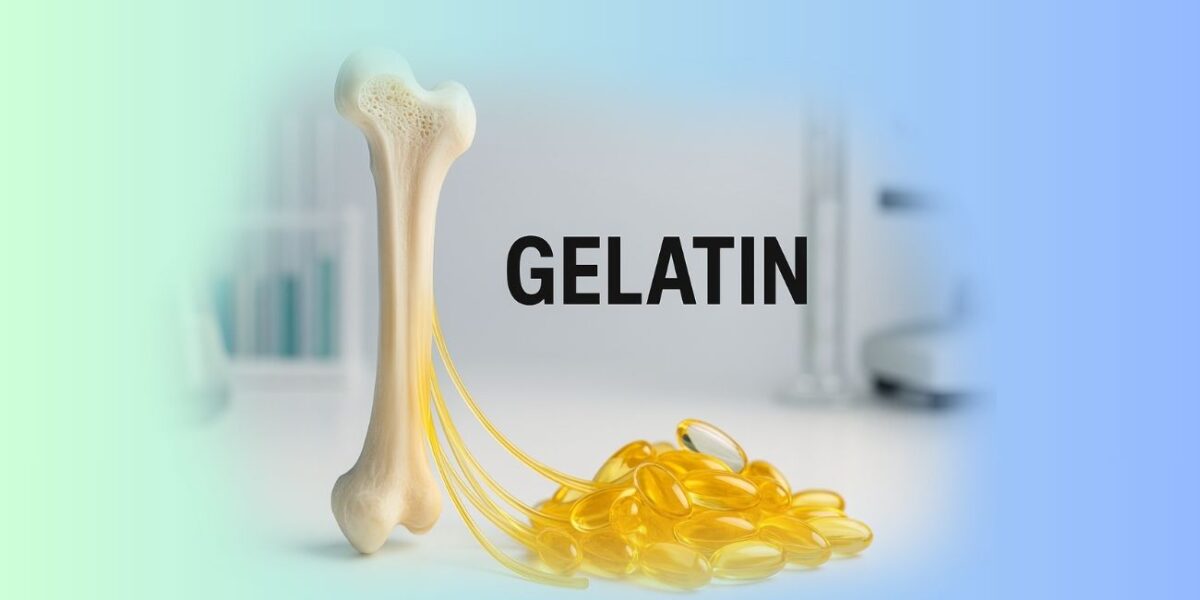
This study examines gelatin extracted from animal bone through the lens of Ḥanafī jurisprudence. It concludes that bone, lacking life, remains ṭāhir upon death; hence gelatin from ḥalāl animals is ḥalāl-suitable, from non-maʾkūl species is externally permissible, while pig-derived gelatin is intrinsically impure (najis al-ʿayn) and strictly ḥarām.
Read More
This article examines the Sharʿī principles governing dars al-Qurʾān, emphasizing that only qualified scholars with mastery of Qurʾānic sciences may interpret Allah’s words. Drawing from al-Itqān of Imām as-Suyūṭī and classical authorities, it warns against untrained or ideologically deviant individuals delivering Qurʾān lessons, as such actions breed misguidance and fitnah.
Read More
This analysis explores the Sharīʿah perspective on food products containing trace amounts of impermissible substances. It examines causes of prohibition—harm, impurity, intoxication, filth, and human sanctity—and outlines when minute proportions, transformation (istiḥālah), or necessity may allow permissibility without compromising Sharīʿah principles of purity, respect, and moderation.
Read More
Key Concepts and Principles This study guide focuses on the Islamic legal principles governing the exchange of gold and silver (Ṣarf) and their application to modern currency notes, drawing from the provided excerpts. Understanding these principles is crucial for comprehending permissible and impermissible transactions in Islamic finance. 1. Ṣarf (صرف): Exchange of Gold and Silver […]
Read More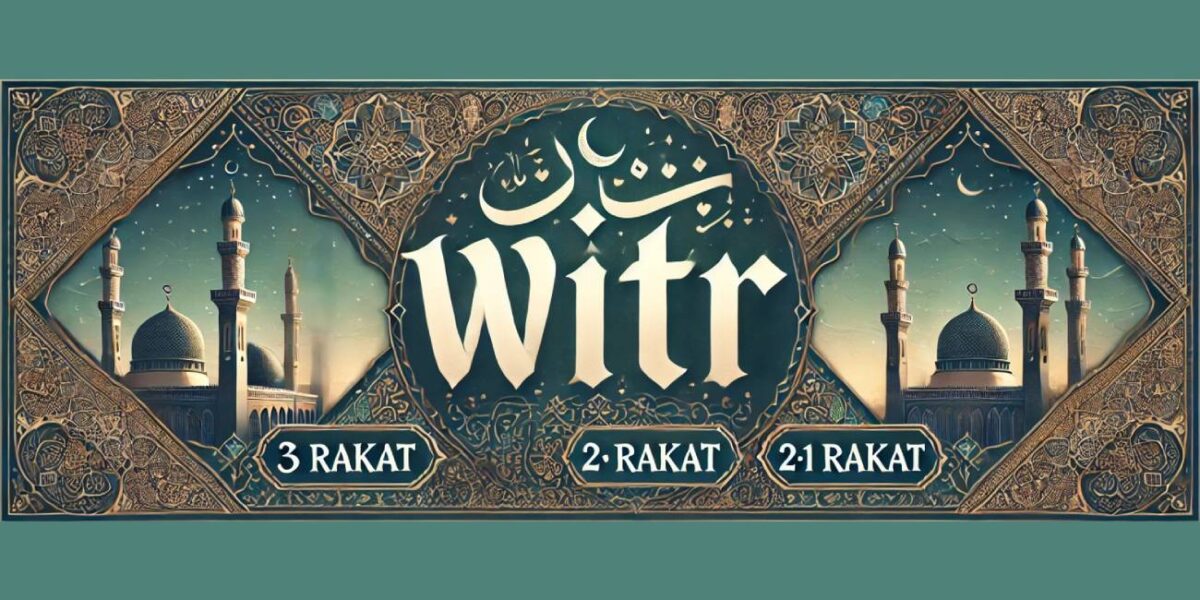
Taken and translated from ila’ us sunan, vol. 6 pg 47. Here are the main topics discussed in the document: Chapter on praying the Witr with three connected rak’ahs without separating them with tasleem, the obligation to sit after the two rak’ahs, prohibition of praying Witr with a single rak’ah, and the mention of recitation […]
Read More