

عَنْ أَبِي هُرَيْرَةَ، عَنْ رَسُولِ اللهِ صَلَّى اللهُ عَلَيْهِ وَسَلَّمَ قَالَ: «مَنْ كانَ يُؤْمِنُ بِاللهِ وَالْيَوْمِ الْآخِرِ فَلْيَقُلْ خَيْرًا أَوْ لِيصْمُتْ، وَمَنْ كَانَ يُؤْمِنُ بِاللهِ وَالْيَوْمِ الْآخِرِ فَلْيُكْرِمْ جَارَهُ، وَمَنْ كَانَ يُؤْمِنُ بِاللهِ وَالْيَوْمِ الْآخِرِ فَلْيُكْرِمْ ضَيْفَهُ» On the authority of Sayidunā Abū Hurayrah ʳᵃ, from the Messenger of Allāh ﷺ, who said: Whoever believes […]
Read More
This commentary explores the scholarly discussion on Rafʿ al-Yadayn—raising the hands during prayer. Drawing from Maẓāhir al-Ḥaqq Sharḥ Mishkāt al-Maṣābīḥ, it presents the differing views of the Ḥanafī and Shāfiʿī schools, the evidences of the Ṣaḥābah, and Imām Abū Ḥanīfah’s ʳʰ juristic reasoning behind limiting the gesture to the opening takbīr taḥrīmah.
Read More
The field of jarḥ wa-taʿdīl — the evaluation of narrators of ḥadīth — represents one of the most sensitive and delicate sciences in the history of Islam. The preservation of the Sunnah demanded that Muslims know who could be trusted to transmit the words of Rasūlullāh ﷺ and who could not. At the same time, Islam has placed immense weight upon the prohibition of gheebah (backbiting), which is among the most destructive sins of the tongue.
Read More
Allāh Almighty has commanded in the Qur’ān to safeguard amānah (trust) and has forbidden betrayal (khiyānah), describing it as a condemnable act. Those who betray trusts are not beloved to Allāh. In fact, in the ḥadīth, betrayal of trust is mentioned as a sign of hypocrisy, implying that treachery is not the trait of a […]
Read More
taken from the notes on Sharḥ al-Mishkāt al-Maṣābīḥ : Ḥadīth Jibrīl One of the most profound frameworks through which the believer can understand his or her journey to Allah is the triad of Islām, Īmān, and Iḥsān. These three dimensions—outlined explicitly in the famous ḥadīth of Jibrīl—represent not merely stages but interconnected realities that shape […]
Read More
وَعَنْ أَبِي هُرَيْرَةَ رَضِيَ اللَّهُ عَنْهُ قَالَ: قَالَ رَسُولُ اللَّهِ صَلَّى اللَّهُ عَلَيْهِ وَسَلَّمَ: ” إِنَّ فِي الْجُمُعَةِ لَسَاعَةً لَا يُوَافِقُهَا عَبْدٌ مُسْلِمٌ يَسْأَلُ اللَّهَ فِيهَا خَيْرًا إِلَّا أعطَاهُ إِيَّاه. وَزَاد مُسلم: «وَهِيَ سَاعَةٌ خَفِيفَةٌ» . وَفِي رِوَايَةِ لَهُمَا قَالَ: «إِنَّ فِي الْجُمُعَةِ لَسَاعَةً لَا يُوَافِقُهَا مُسْلِمٌ قَائِم يُصَلِّي يسْأَل لاله يخرا إِلَّا أعطَاهُ إِيَّاه» […]
Read More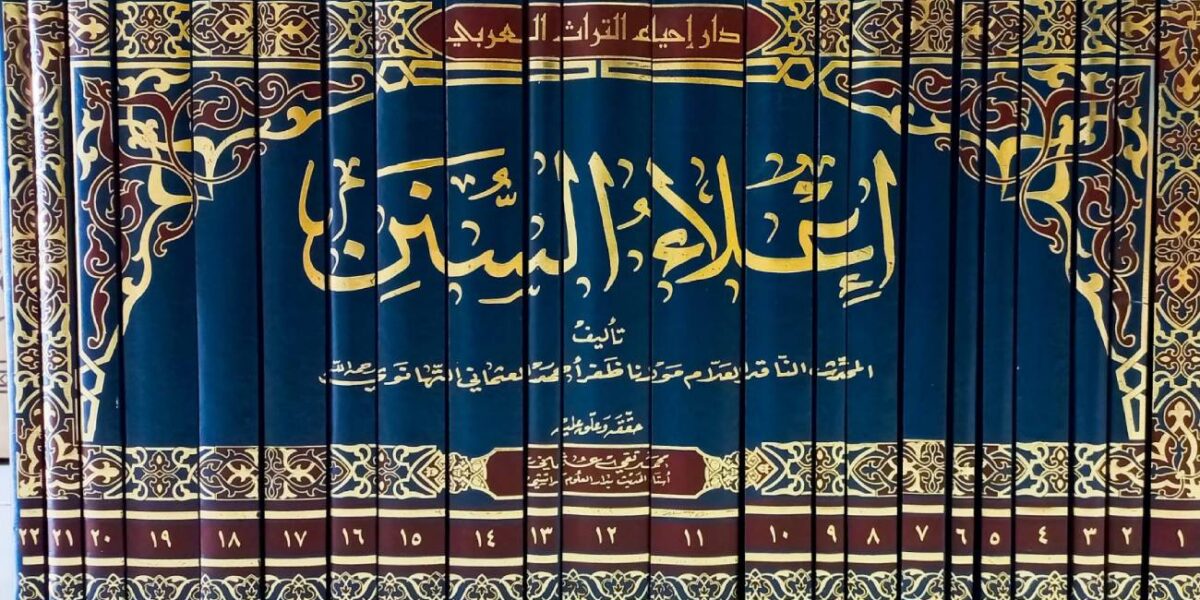
Excerpt translated from i’laa’ us Sunan by Allama Zafar Ahmed UthmaniVolume 7 , Pg. 10-13 There are two main points of discussion: Here, we will discuss the first one. Key Argument: Some scholars, including Ibn al-Qayyim and certain Shafi’i scholars, deny the pre-Friday Sunnah, arguing that Friday is like Eid without a preceding Sunnah. The […]
Read More