

In Islamic law, hunting is permissible when conducted with due Sharīʿah conditions. The tasmiyah must be recited before releasing the trained animal or firing the weapon. If the prey dies from that act, it is ḥalāl; if found alive with stable life, it must be slaughtered immediately to be lawful.
Read More
This study examines gelatin extracted from animal bone through the lens of Ḥanafī jurisprudence. It concludes that bone, lacking life, remains ṭāhir upon death; hence gelatin from ḥalāl animals is ḥalāl-suitable, from non-maʾkūl species is externally permissible, while pig-derived gelatin is intrinsically impure (najis al-ʿayn) and strictly ḥarām.
Read More
This analysis explores the Sharīʿah perspective on food products containing trace amounts of impermissible substances. It examines causes of prohibition—harm, impurity, intoxication, filth, and human sanctity—and outlines when minute proportions, transformation (istiḥālah), or necessity may allow permissibility without compromising Sharīʿah principles of purity, respect, and moderation.
Read More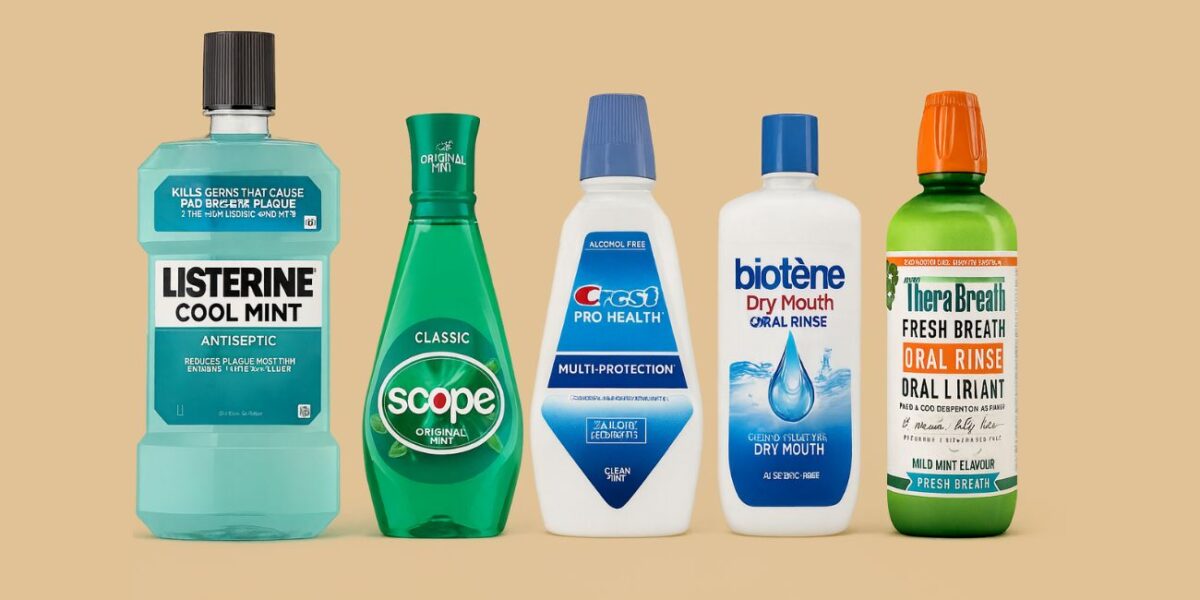
This article examines the presence of alcohol in commercial mouthwash products through the AskHalal framework for assessing alcohols in consumer goods. It distinguishes between intoxicating and technical alcohols, analyzing major brands like Listerine, Crest, Scope, Biotène, and TheraBreath. Alcohol-free alternatives remain the preferred and more cautious choice for Sharīʿah-compliant consumers.
Read More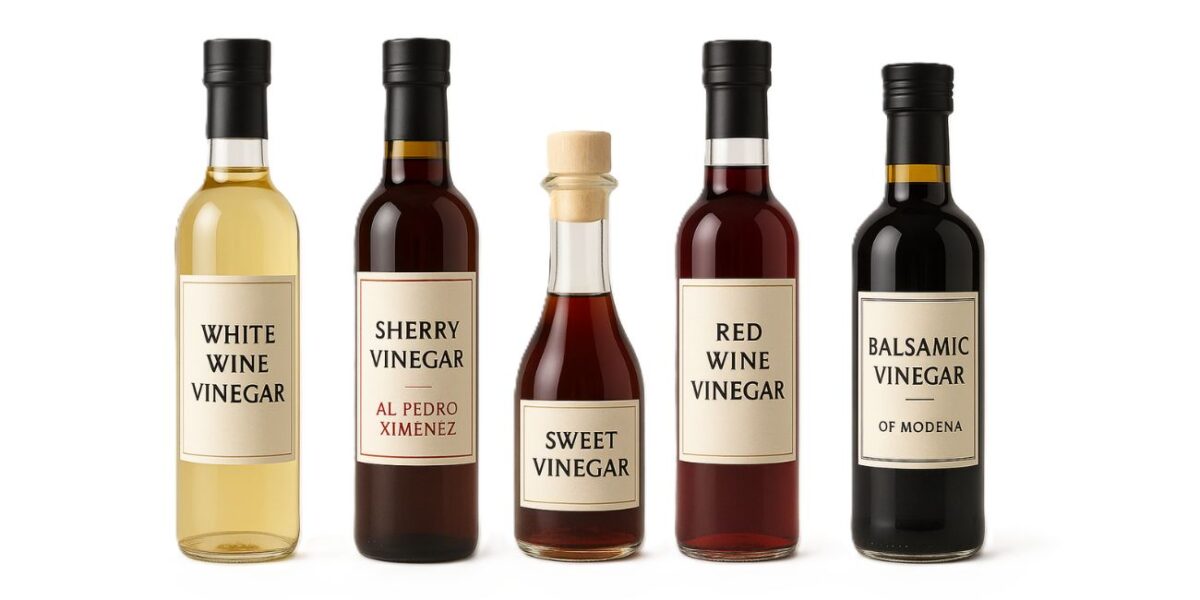
“All ordinary commercial wine vinegars—white or red—are ḥalāl by istiḥālah, while gourmet or sweetened variants that include added wine or grape must are to be avoided.”
Read More
The matter of eating from restaurants or shops that advertise ḥalāl cannot be addressed by simply saying, “They claim it, so we are free.” In Sharīʿah, permissibility rests upon ghalabat al-ẓann (a strong preponderant confidence) that the food meets the standards of ḥalāl slaughter and preparation. In our current circumstances, this confidence is not achieved […]
Read More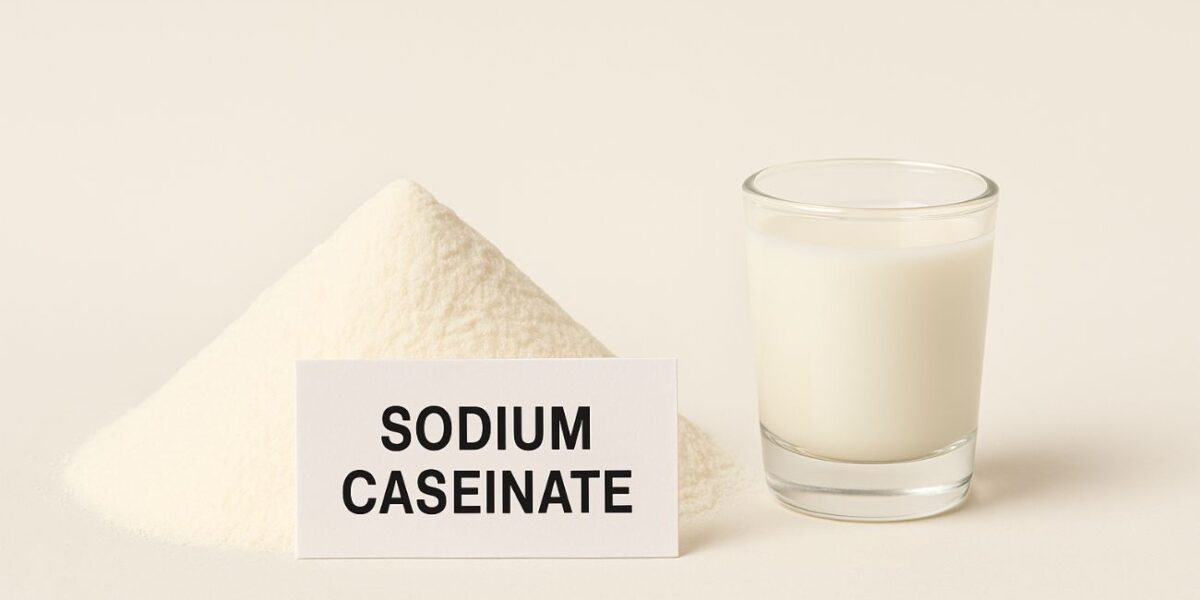
In the modern food industry, sodium caseinate is a widely used ingredient that often passes unnoticed on product labels. From coffee whiteners and processed cheese to nutritional bars and instant soups, this compound appears in a range of processed foods. But what exactly is sodium caseinate, how is it made, and—most importantly—how should it be […]
Read More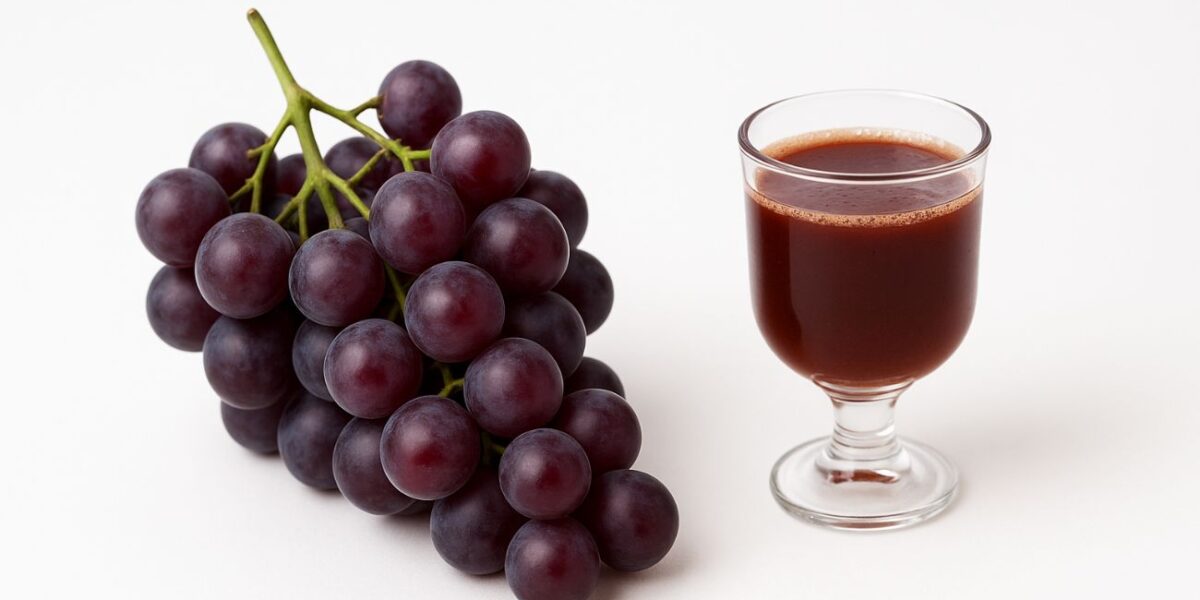
When reading the ingredients of certain foods or condiments, one may come across the term grape must. For those concerned with Halal consumption, it is natural to ask: what exactly is grape must, how is it used in the food industry, and is it suitable for Muslims to consume? To answer, we must first explore […]
Read More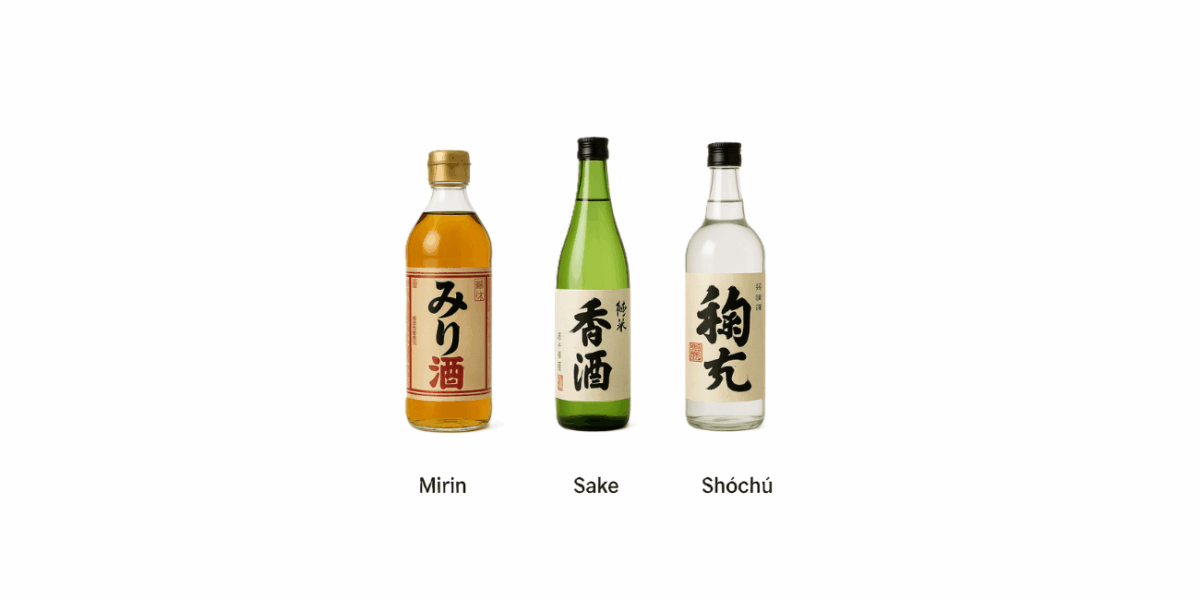
When evaluating Japanese alcoholic products under Islamic law, it is necessary to distinguish between their chemical nature, their origins, and how they are classified in the Hanafi school of jurisprudence. The three traditional Japanese alcohols most commonly encountered are mirin, sake, and shōchū.
Read More
Non Khamr Alcohol (whether from distillation or fermentation) does not follow the same ruling according to hanafiya. This means that in smaller quantities like solvents and emulsifiers etc, they will not render the other items najis, and will not affect the hillah of the item.
Read More