
This analysis explores the Sharīʿah perspective on food products containing trace amounts of impermissible substances. It examines causes of prohibition—harm, impurity, intoxication, filth, and human sanctity—and outlines when minute proportions, transformation (istiḥālah), or necessity may allow permissibility without compromising Sharīʿah principles of purity, respect, and moderation.
Read More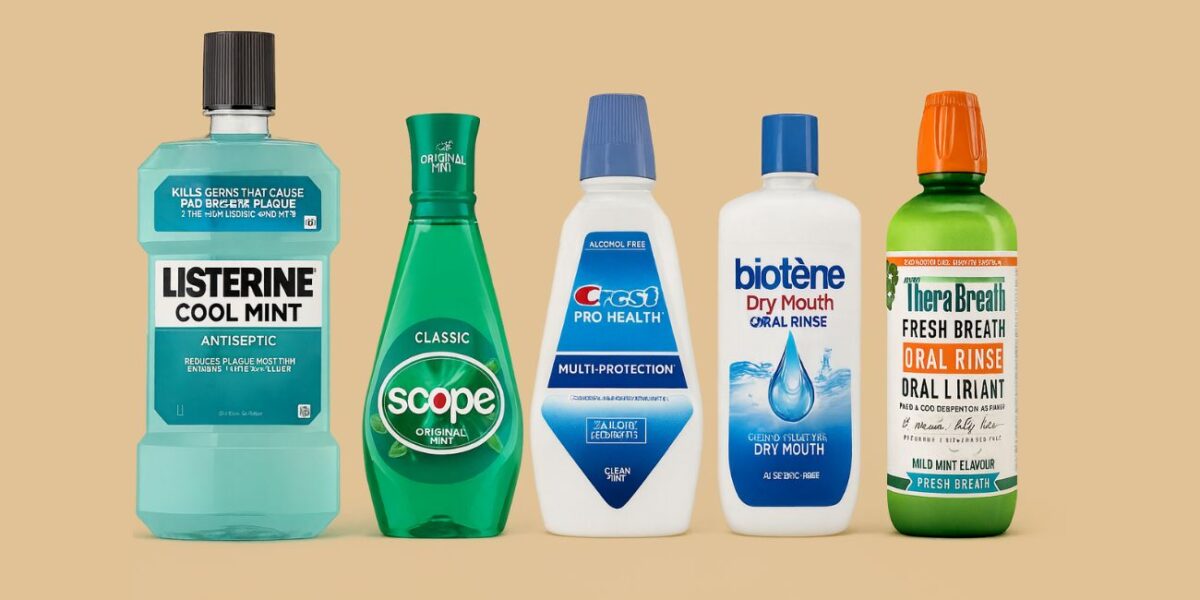
This article examines the presence of alcohol in commercial mouthwash products through the AskHalal framework for assessing alcohols in consumer goods. It distinguishes between intoxicating and technical alcohols, analyzing major brands like Listerine, Crest, Scope, Biotène, and TheraBreath. Alcohol-free alternatives remain the preferred and more cautious choice for Sharīʿah-compliant consumers.
Read More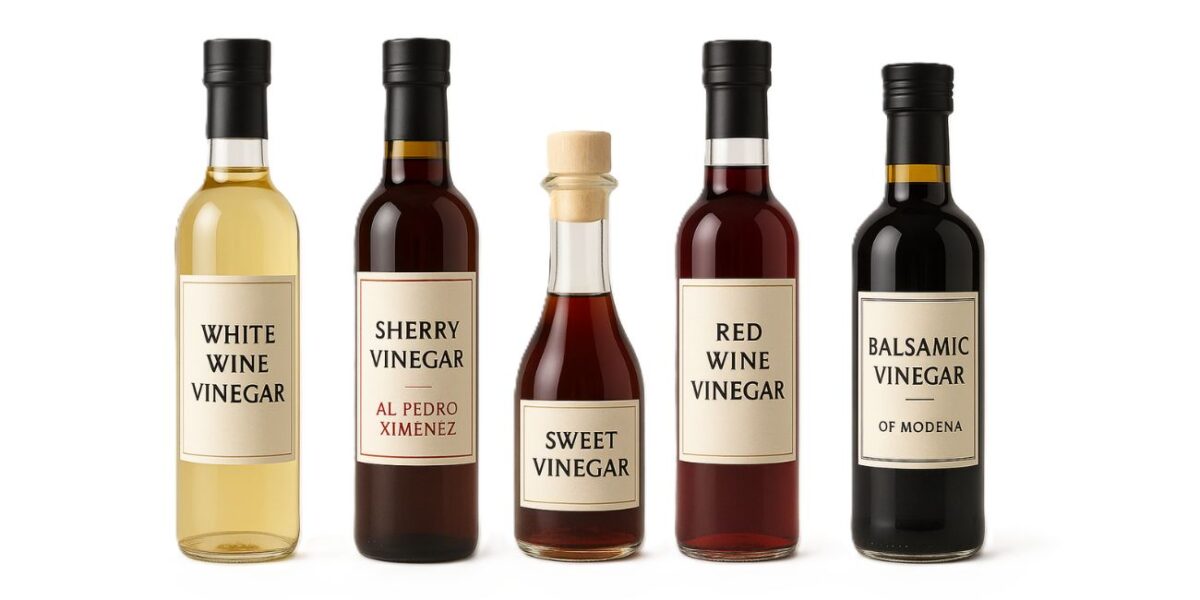
“All ordinary commercial wine vinegars—white or red—are ḥalāl by istiḥālah, while gourmet or sweetened variants that include added wine or grape must are to be avoided.”
Read More
The matter of eating from restaurants or shops that advertise ḥalāl cannot be addressed by simply saying, “They claim it, so we are free.” In Sharīʿah, permissibility rests upon ghalabat al-ẓann (a strong preponderant confidence) that the food meets the standards of ḥalāl slaughter and preparation. In our current circumstances, this confidence is not achieved […]
Read More
The field of jarḥ wa-taʿdīl — the evaluation of narrators of ḥadīth — represents one of the most sensitive and delicate sciences in the history of Islam. The preservation of the Sunnah demanded that Muslims know who could be trusted to transmit the words of Rasūlullāh ﷺ and who could not. At the same time, Islam has placed immense weight upon the prohibition of gheebah (backbiting), which is among the most destructive sins of the tongue.
Read More
The concept of fatwa occupies a central place in Islamic life, guiding Muslims in matters of worship, transactions, and daily conduct. Yet the role of issuing a fatwa is not open to every student of knowledge or well-spoken preacher; it is a responsibility entrusted only to those who have mastered the sciences of Sharīʿah, undergone rigorous training under senior scholars, and demonstrated both intellectual aptitude and moral integrity. The following write-up lays out who truly qualifies as a Mufti, the conditions for issuing fatwa, the grave warnings against speaking without knowledge, and the parallels that show why this discipline must be guarded with utmost care.
Read More
Allāh Almighty has commanded in the Qur’ān to safeguard amānah (trust) and has forbidden betrayal (khiyānah), describing it as a condemnable act. Those who betray trusts are not beloved to Allāh. In fact, in the ḥadīth, betrayal of trust is mentioned as a sign of hypocrisy, implying that treachery is not the trait of a […]
Read More
Al-ḥamdu lillāhi wa kafā, wa salāmun ʿalā ʿibādihi alladhīna iṣṭafā… ammā baʿd. Justice and fairness (ʿadl wa insāf) are such virtues upon which the entire system of the universe and its order depend. Allāh Almighty Himself has mentioned this attribute for His own dhāt (essence) in the Noble Qurʾān, meaning that the machinery of creation […]
Read More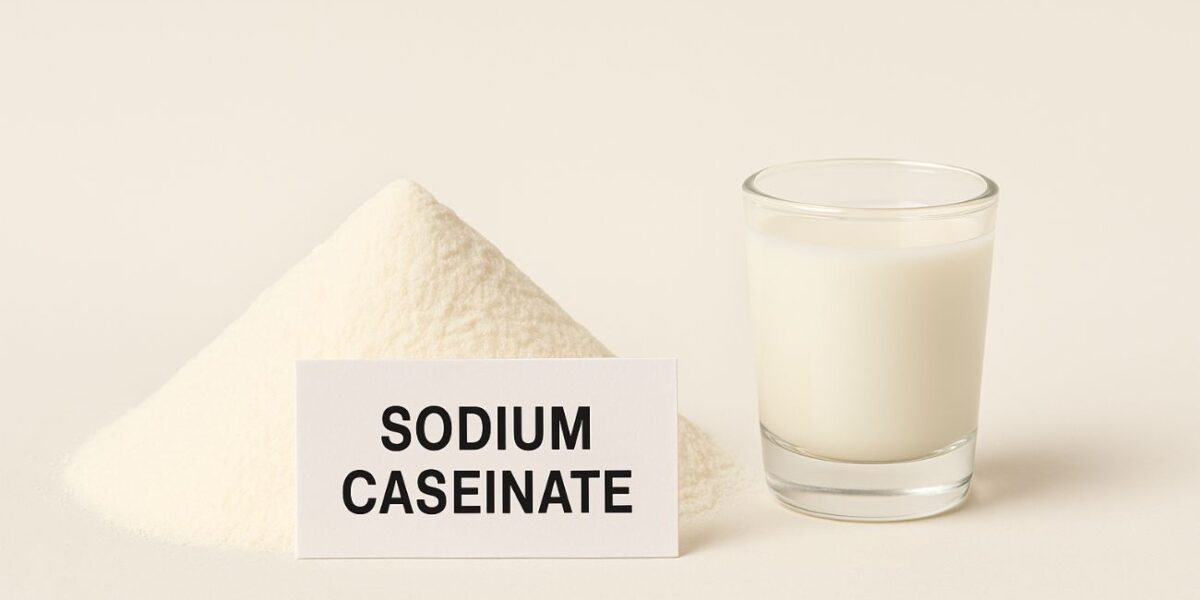
In the modern food industry, sodium caseinate is a widely used ingredient that often passes unnoticed on product labels. From coffee whiteners and processed cheese to nutritional bars and instant soups, this compound appears in a range of processed foods. But what exactly is sodium caseinate, how is it made, and—most importantly—how should it be […]
Read More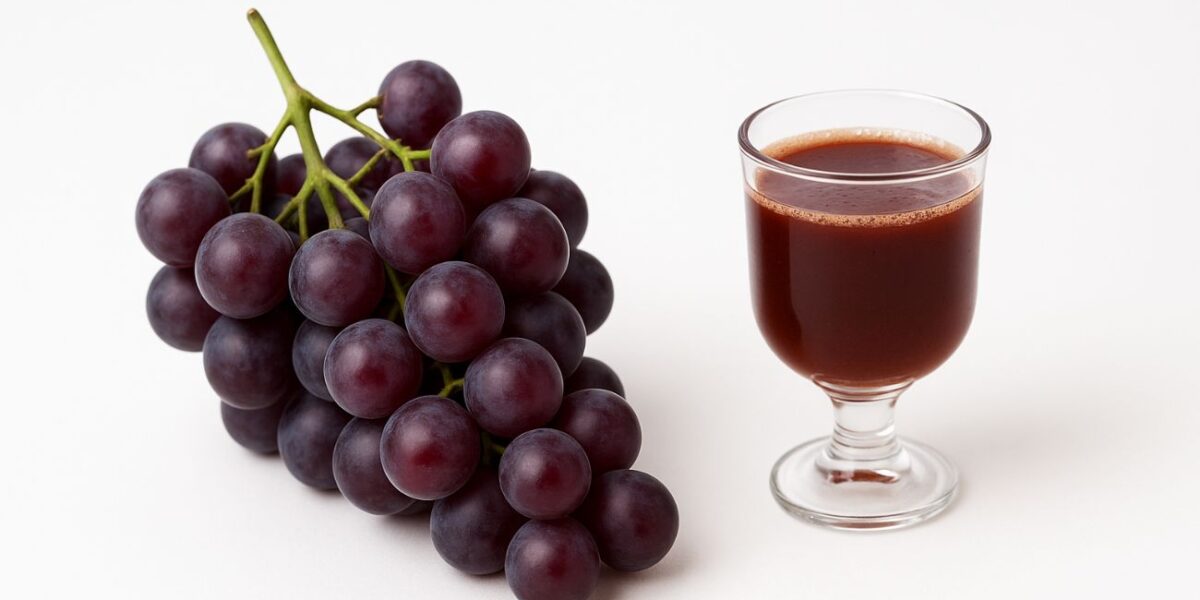
When reading the ingredients of certain foods or condiments, one may come across the term grape must. For those concerned with Halal consumption, it is natural to ask: what exactly is grape must, how is it used in the food industry, and is it suitable for Muslims to consume? To answer, we must first explore […]
Read More